Oleum (H₂S₂O₇) – Properties, Applications & Safe Handling | BTJ Group
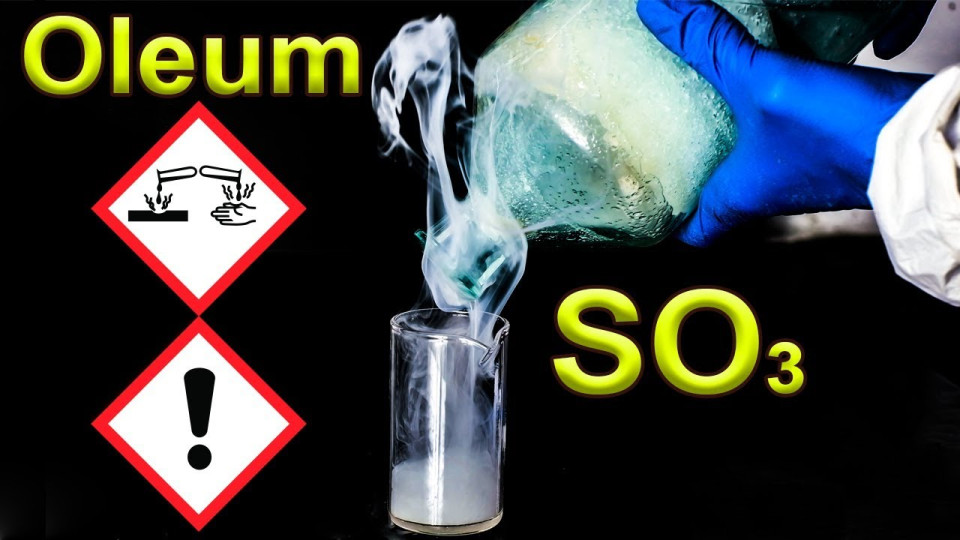
Oleum, also known as fuming sulfuric acid, is a vital chemical compound in industrial applications. Chemically identified as H₂S₂O₇, Oleum is a solution of sulfuric acid (H₂SO₄) with dissolved sulfur trioxide (SO₃). For example, 30% Oleum contains approximately 30% SO₃ by volume, making it highly reactive and powerful for sulfonation and acid production processes.
✅ Looking for high-quality Oleum (H₂S₂O₇) for industrial use? Contact BTJ Group — your trusted supplier of chemical raw materials.
What is Oleum?
Oleum is a strong, corrosive, and highly concentrated acid solution widely used in the chemical industry. It is produced by absorbing SO₃ into concentrated H₂SO₄, forming a dense, oily liquid. Its most common concentrations range from 20% to 65% SO₃, with 30% Oleum being widely used in manufacturing.
Key Properties of 30% Oleum
Understanding the physical and chemical properties of Oleum is essential for safe and efficient use.
Appearance: Viscous liquid, pale yellow to light brown
Odor: Strong, pungent acidic smell
Density: ~1.92–2.0 g/cm³
Melting Point: ~16°C
Boiling Point: ~300°C (varies with SO₃ concentration)
Hygroscopic Nature: Absorbs moisture rapidly from air
Reactivity: Reacts violently with water, releasing heat and toxic SO₃ vapors
Due to its high reactivity, Oleum must be handled with extreme caution and appropriate protective measures.
Industrial Uses of Oleum
Oleum plays a critical role in various industrial chemical processes, especially where strong sulfonating or concentrated acid environments are required.
1. Production of Concentrated Sulfuric Acid
Oleum is the key intermediate in producing high-purity sulfuric acid (>98.3%). By carefully adding water to Oleum, a stronger acid solution is obtained with minimal dilution and high process efficiency.
2. Sulfonation Reactions
Used extensively in sulfonation, Oleum introduces sulfonic acid groups (–SO₃H) into organic molecules. This reaction is crucial in manufacturing:
Detergents and surfactants
Dyes and pigments
Pharmaceutical intermediates
Agrochemicals
3. Synthesis of Other Chemicals
Oleum is also used in:
Nitric acid (HNO₃) production
Organic sulfonate compounds
Catalyst and polymer precursor manufacturing
Safe Handling & Storage of Oleum
Due to its aggressive chemical nature, strict safety protocols must be followed when storing or handling Oleum.
Toxicity & Hazards
Highly corrosive and toxic
Causes severe burns on skin or eyes
Inhalation of vapors may cause respiratory distress
Storage Guidelines
Use corrosion-resistant containers (e.g., stainless steel)
Store in a cool, dry, well-ventilated location
Prevent all contact with moisture or water
First Aid Measures
Skin/Eye Contact: Rinse thoroughly with water for at least 15 minutes and seek immediate medical help
Inhalation: Move the individual to fresh air and consult a physician urgently
Always refer to the SDS (Safety Data Sheet) before working with Oleum.
Why Choose BTJ Group for Your Oleum Supply?
At BTJ Group, we are a trusted distributor of high-grade Oleum (H₂S₂O₇) and industrial chemicals in Southeast Asia. Whether you need bulk quantities for manufacturing or tailored solutions for specialty chemical production, we deliver:
✅ Premium-quality Oleum (certified & tested)
✅ Reliable sourcing and competitive pricing
✅ Fast delivery and professional logistics support
✅ Expert consultation for industrial chemical needs
Request a Quote for Oleum Today
Phone: +66 2416 9777, +66 2416 9888, +66 2892 0777, +66 2892 0888
Email: info@btj-group.com
Website: https://btj-group.com/